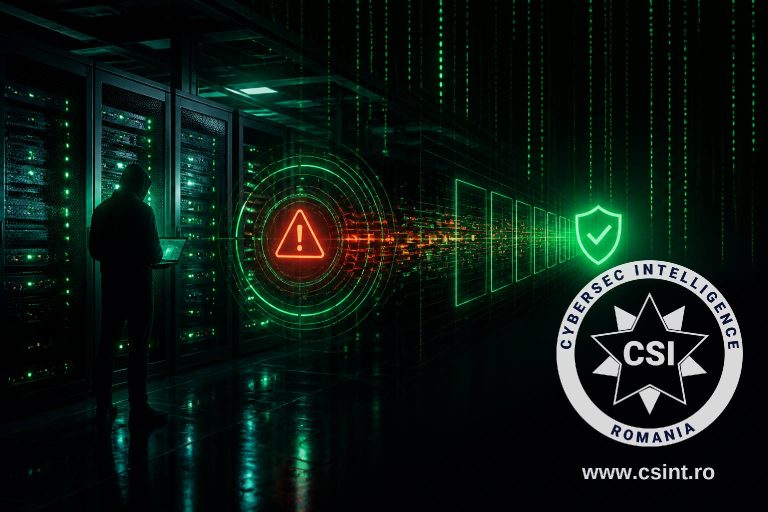


The security of an IT infrastructure directly depends on the visibility you have over the equipment and applications used within the organization. Without an accurate asset inventory, identifying and remediating vulnerabilities through patch management become inefficient processes exposed to risks. An integrated approach to these two elements represents the foundation of cyber defense for any company in Romania.
n
Best practices for inventory and patch management
n
- n
- Automation of the discovery process: Use dedicated tools to continuously scan the network and maintain an up-to-date record of all installed hardware equipment and software applications.
- Asset segmentation and prioritization: Classify IT assets based on their criticality to the business, prioritizing systems that store sensitive data or are directly exposed to the internet.
- Patch testing before deployment: Validate updates in an isolated test environment to prevent potential incompatibilities or operational downtime.
- Establishing a rigorous update schedule: Define clear intervals for applying non-critical patches and emergency procedures for zero-day vulnerabilities.
- Monitoring legacy systems: Identify equipment or software that is no longer supported by vendors and isolate or replace them to eliminate attack vectors.
n
n
n
n
n
n
Adopting these best practices is not only a proactive protective measure, but also a legislative necessity. In the current context, compliance with European directives such as NIS2 and the DORA regulation imposes strict control over cyber risks on organizations in critical and financial sectors, where vulnerability management and asset inventory are basic requirements for ensuring operational resilience.
n
Security News, in your inbox
New News articles, with their full text and a link to the website. One daily email at 09:00 Romania time. No new articles in your chosen language, no email.