
INTERPOL announced the results of Operation Shams II (1-5 June 2026), a coordinated digital action that used artificial intelligence to identify terrorism suspects. The operation involved 28 specialized officers and experts from 11 countries, gathered in Tunis, Tunisia.
How artificial intelligence was used
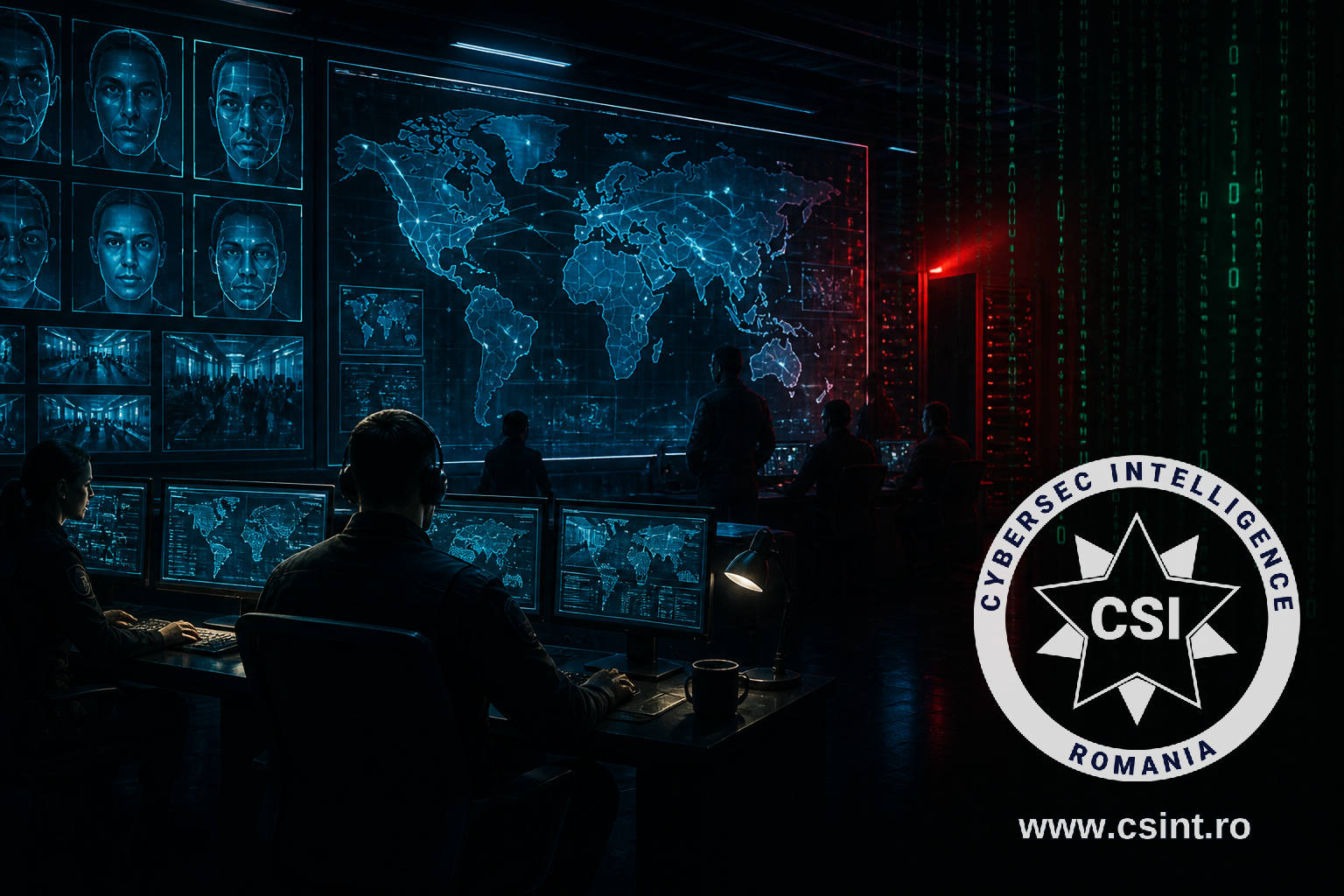
During the five days of coordinated action, teams extracted 108,076 facial images from visual content published by jihadist groups. Programmed AI agents and AI-generated scripts automated part of the data collection and investigative processes, allowing for deduplication and image quality verification. Thus, the dataset was reduced to 6,362 unique, high-quality facial images, ready for processing in INTERPOL’s Facial Recognition System.
The AI-generated results were verified by trained officers and analysts, in accordance with INTERPOL’s Rules on the Processing of Data. The INTERPOL National Central Bureau in Baghdad, Iraq, additionally provided an extensive dataset of intelligence related to terrorism suspects, adding hundreds of other images to the processing line.
Operational results
To date, 126 foreign terrorist fighters have been identified from the processed images. These matches enrich existing intelligence on suspects, including potential locations and social networks, and the data is integrated into INTERPOL databases. The identified investigative leads already support judicial proceedings in the participating countries, including a case targeting two suspects in detention. Thousands of images remain to be processed, so further identifications are expected.
The operation also used advanced cryptocurrency analysis tools to track illicit financing, leading to three urgent requests to a virtual asset service provider for the disclosure of customer data. In parallel, participating countries discussed online youth radicalization with representatives of the online gaming industry.
“The success of Operation Shams II demonstrates the value of combining international law enforcement cooperation with AI analytical capabilities used responsibly,” said María Carmen Muñoz González, INTERPOL Director for Counter-Terrorism.
What it means for organizations
The operation shows the rapid maturation of automated visual and financial data analysis in security investigations. The same technologies—facial recognition, AI agents for data triaging, blockchain transaction analysis—are also becoming relevant for private organizations that need to manage risks, detect abuse, and respond quickly to incidents. Practical recommendations remain:
- Clearly document what data is automatically processed and on what legal basis, especially when using AI in analysis.
- Retain human verification for any decision impacting individuals, exactly as in the INTERPOL model.
- Correlate internal telemetry sources with external threat intelligence to reduce detection times.
- Include scenarios of online platform abuse and radicalization in risk assessments if you operate public services or communities.
Source: INTERPOL. Operation Shams II was conducted under the CT TECH+ project, funded by the European Union’s Service for Foreign Policy Instruments and supported by UNOCT.
Security News, in your inbox
New News articles, with their full text and a link to the website. One daily email at 09:00 Romania time. No new articles in your chosen language, no email.