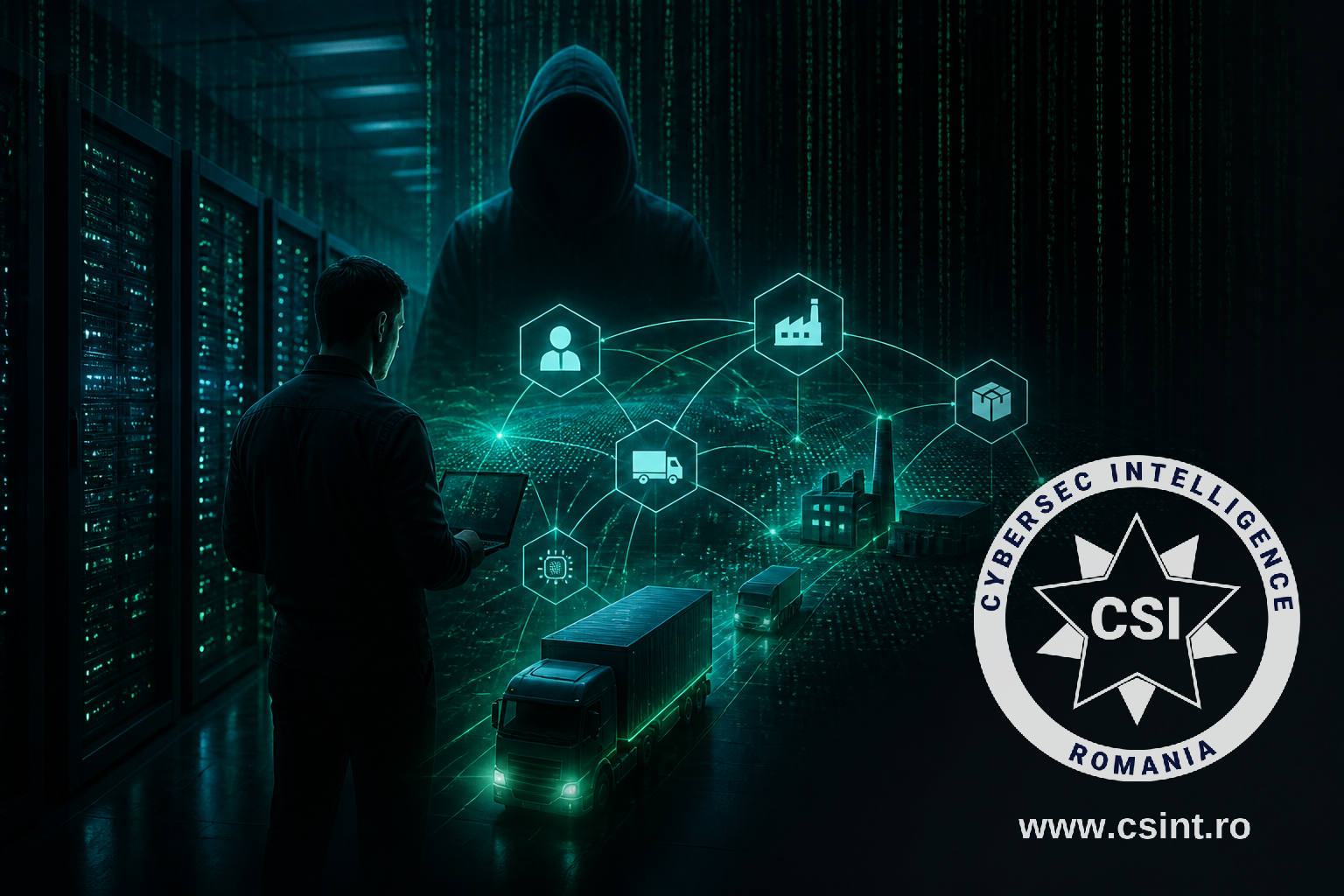

Supply chain security is a critical component in protecting the IT infrastructure of any modern organization. Cybersecurity attackers often exploit vulnerabilities in the systems of external suppliers to gain unauthorized access to the main network of the partner company. Constant evaluation and monitoring of third parties are essential steps to prevent major security incidents and ensure operational resilience.
Practical measures for securing supplier relationships
- Rigorous assessment of supplier security: Before signing a contract, analyze the security policies of your partners and request recognized certifications, such as ISO 27001.
- Applying the principle of least privilege: Grant external collaborators only the permissions strictly necessary to perform specific tasks and limit access to critical network segments.
- Continuous monitoring of access sessions: Record and audit remote connections made by suppliers to your IT infrastructure to detect suspicious activity.
- Implementing multi-factor authentication (MFA): Enforce the use of MFA for all external accounts connecting to the organization’s internal resources.
- Joint incident response plans: Establish clear communication and action protocols in case a supplier suffers a cybersecurity breach that could affect you.
Aligning with these best practices is not only a proactive protective measure, but also an increasingly pressing legal necessity. New European regulations, such as the NIS2 Directive and the DORA Regulation, impose strict requirements on third-party risk management, transforming supply chain security into a compliance obligation for companies in Romania. For supplier auditing and infrastructure compliance, you can contact our specialists at csint.ro.
Security News, in your inbox
New News articles, with their full text and a link to the website. One daily email at 09:00 Romania time. No new articles in your chosen language, no email.